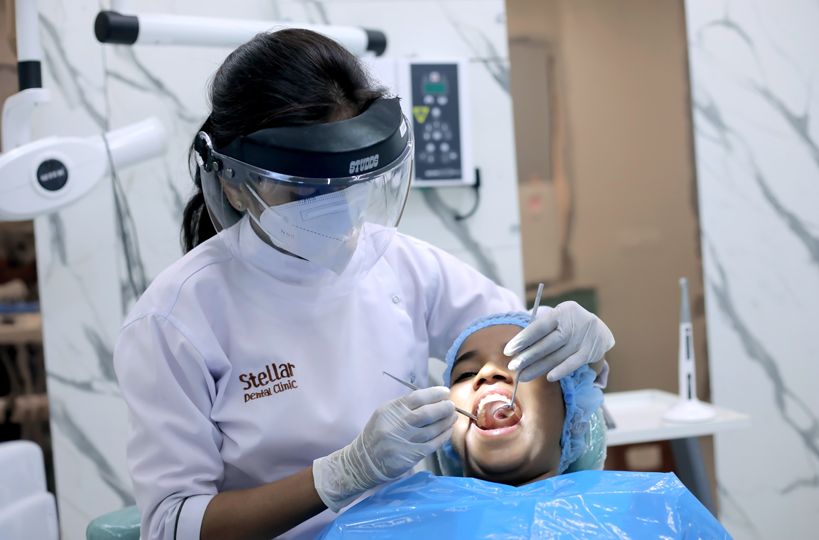
What is Bone Grafting?
Bone grafting is a surgical procedure that rebuilds and regenerates your jawbone to create sufficient bone volume for dental implant placement. When teeth are lost, the underlying bone begins to deteriorate due to lack of stimulation. Bone grafting restores this lost bone using biocompatible materials that encourage your body's natural healing process.
This procedure is essential for patients who have experienced significant bone loss and would otherwise be unable to receive dental implants. Our team uses state-of-the-art techniques and premium graft materials to ensure optimal outcomes.
Types of Bone Grafting Materials
Autograft
Your own bone harvested from another area of your jaw or body. Provides excellent healing and no rejection risk. Highest success rate.
Allograft
Donor bone processed from human cadavers. Eliminates the need for a second surgical site. Excellent incorporation rate with no rejection.
Xenograft
Bone derived from animals (typically bovine). Highly biocompatible and readily available. Ideal for socket preservation and ridge augmentation.
Comparison: Graft Material Types
| Factor |
Autograft |
Allograft |
Xenograft |
| Material Source |
Patient's own bone |
Human donor bone |
Animal-derived bone |
| Healing Time |
4-6 months |
5-7 months |
6-8 months |
| Success Rate |
95-98% |
90-95% |
85-90% |
| Best For |
Severe bone loss, larger grafts |
Moderate defects, single implants |
Socket preservation, minor defects |
When is Bone Grafting Needed?
- Insufficient jawbone for implant placement
- Severe bone loss following tooth extraction
- Bone resorption from prolonged tooth loss
- Periodontal disease affecting bone structure
- Trauma or injury to the jaw
- Improving implant stability and longevity
- Socket preservation after tooth extraction
- Ridge augmentation before implant placement
Bone Grafting and Dental Implants
Bone grafting and dental implants work together to restore your smile. When you lose teeth, bone loss accelerates. Without adequate bone, implants cannot be placed securely. By grafting new bone, we create a strong foundation that:
- Provides stable support for implants
- Ensures proper implant positioning and angulation
- Prevents implant failure and complications
- Maintains facial structure and appearance
- Creates lasting results lasting 15+ years
- Allows for optimal esthetic outcomes
Most patients wait 3-6 months after bone grafting before implant placement, allowing sufficient bone maturation and integration. This staged approach yields superior results compared to immediate implant placement in severely deficient bone.